Buy truewords.eu ?
We are moving the project
truewords.eu .
Are you interested in purchasing the domain
truewords.eu ?
domain@kv-gmbh.de · 0541-91531010
Buy truewords.eu ?
Where can one still find authentic remnants of Germanic culture before Christianization in our society?
One can still find authentic remnants of Germanic culture before Christianization in our society in various forms. One place to look is in the language, as many English words have Germanic roots. Additionally, traditional Germanic folklore and mythology, such as the stories of Odin and Thor, are still celebrated and studied in modern society. Furthermore, some traditional Germanic customs and rituals, such as the celebration of Yule, have been preserved and continue to be practiced in certain communities. **
Is cancel culture real?
Cancel culture is a real phenomenon that involves the public shaming and boycotting of individuals or entities for behavior or beliefs that are deemed offensive or problematic. It often plays out on social media and can have significant consequences for the targets of the backlash. While some argue that cancel culture is a necessary tool for holding people accountable, others believe it can be excessive and stifles free speech. Overall, the impact of cancel culture is real and has been felt by many public figures and organizations. **

Similar search terms for Germanic culture
Top-Angebote
Products related to Germanic culture:
-
Urban Nature Culture Vase Ace - AceSetting forth a tradition that is centuries old, pottery has ever been one of Portugal's trades. Urban Nature Culture loves to work with Portuguese artisans - who use their skills to combine modern looks and contemporary design with techniques of old.145,60 $*Shipping: 0,00 $Secure redirect to the provider
-
Urban Nature Culture Vase Talvi - WhiteFloating the sea waves, a sense of calm takes over, feeling at home in the world. That same feeling we get at home, like a safe haven to relax our senses and feast our eyes on our most cherished things.267,80 $*Shipping: 0,00 $Secure redirect to the provider




-
Were the Germanic people Vikings, or were the Vikings Germanic?
The Germanic people were a group of tribes that lived in Northern Europe, including modern-day Germany, Scandinavia, and the Netherlands. The Vikings were a specific group of people within the broader Germanic culture, known for their seafaring and raiding activities. So, the Vikings were a subset of the Germanic people, and not all Germanic people were Vikings. **
-
Do Germans not have a real culture?
This statement is a misconception. Germans have a rich and diverse culture that encompasses art, music, literature, philosophy, and more. Germany has a long history of cultural achievements and contributions to the world. From classical composers like Beethoven and Bach to influential philosophers like Kant and Nietzsche, German culture has had a significant impact globally. Additionally, Germany is known for its traditions, festivals, and regional customs that showcase the country's unique cultural identity. **
-
Are the Celts Germanic?
No, the Celts are not Germanic. The Celts were a distinct group of people who originated in Central Europe and spread across much of Western Europe, including areas that are now part of modern-day France, Spain, and the British Isles. The Germanic peoples, on the other hand, originated in northern Europe and eventually spread into areas that are now part of modern-day Germany, Scandinavia, and the Netherlands. While the Celts and Germanic peoples may have had some interactions and influences on each other, they are considered to be separate and distinct cultural and linguistic groups. **
-
Were the Greeks Germanic?
No, the Greeks were not Germanic. The Greeks were an ancient civilization that originated in the Mediterranean region, while the Germanic peoples were a group of tribes that originated in northern Europe. The Greeks had their own distinct language, culture, and history, which were different from those of the Germanic peoples. Therefore, it is not accurate to classify the Greeks as Germanic. **


What is Germanic Neopaganism?
Germanic Neopaganism is a modern revival of the pre-Christian religious practices and beliefs of the Germanic peoples. It encompasses a variety of traditions and practices inspired by the ancient Germanic cultures, including Norse, Anglo-Saxon, and Continental Germanic traditions. Followers of Germanic Neopaganism often worship a pantheon of gods and goddesses, honor their ancestors, and celebrate seasonal festivals. It is a decentralized and diverse movement, with different groups and individuals interpreting and practicing the faith in their own unique ways. **
What are event culture and time culture?
Event culture refers to the way in which events, such as festivals, concerts, and sporting events, shape and influence a society's values, beliefs, and behaviors. Time culture, on the other hand, refers to the way in which a society perceives and organizes time, including concepts of punctuality, scheduling, and the pace of life. Both event culture and time culture play a significant role in shaping social interactions, traditions, and overall societal norms. **
Top-Angebote
Products related to Germanic culture:
-
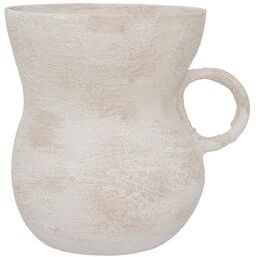
Urban Nature Culture Vase RelaxedQuiet elegancy comes to life in Urban Nature Culture's vase Relaxed. Handmade in Portugal, this ceramic vase has a shape beyond anything you've seen - it's organic, it flows and steals your heart with its playful ear.123,40 $*Shipping: 0,00 $Secure redirect to the provider
-
Where can one still find authentic remnants of Germanic culture before Christianization in our society?
One can still find authentic remnants of Germanic culture before Christianization in our society in various forms. One place to look is in the language, as many English words have Germanic roots. Additionally, traditional Germanic folklore and mythology, such as the stories of Odin and Thor, are still celebrated and studied in modern society. Furthermore, some traditional Germanic customs and rituals, such as the celebration of Yule, have been preserved and continue to be practiced in certain communities. **
-
Is cancel culture real?
Cancel culture is a real phenomenon that involves the public shaming and boycotting of individuals or entities for behavior or beliefs that are deemed offensive or problematic. It often plays out on social media and can have significant consequences for the targets of the backlash. While some argue that cancel culture is a necessary tool for holding people accountable, others believe it can be excessive and stifles free speech. Overall, the impact of cancel culture is real and has been felt by many public figures and organizations. **
-
Were the Germanic people Vikings, or were the Vikings Germanic?
The Germanic people were a group of tribes that lived in Northern Europe, including modern-day Germany, Scandinavia, and the Netherlands. The Vikings were a specific group of people within the broader Germanic culture, known for their seafaring and raiding activities. So, the Vikings were a subset of the Germanic people, and not all Germanic people were Vikings. **
-
Do Germans not have a real culture?
This statement is a misconception. Germans have a rich and diverse culture that encompasses art, music, literature, philosophy, and more. Germany has a long history of cultural achievements and contributions to the world. From classical composers like Beethoven and Bach to influential philosophers like Kant and Nietzsche, German culture has had a significant impact globally. Additionally, Germany is known for its traditions, festivals, and regional customs that showcase the country's unique cultural identity. **
Similar search terms for Germanic culture
-
Urban Nature Culture Vase Ace - AceSetting forth a tradition that is centuries old, pottery has ever been one of Portugal's trades. Urban Nature Culture loves to work with Portuguese artisans - who use their skills to combine modern looks and contemporary design with techniques of old.145,60 $*Shipping: 0,00 $Secure redirect to the provider
-
Urban Nature Culture Vase Talvi - WhiteFloating the sea waves, a sense of calm takes over, feeling at home in the world. That same feeling we get at home, like a safe haven to relax our senses and feast our eyes on our most cherished things.267,80 $*Shipping: 0,00 $Secure redirect to the provider
-
Are the Celts Germanic?
No, the Celts are not Germanic. The Celts were a distinct group of people who originated in Central Europe and spread across much of Western Europe, including areas that are now part of modern-day France, Spain, and the British Isles. The Germanic peoples, on the other hand, originated in northern Europe and eventually spread into areas that are now part of modern-day Germany, Scandinavia, and the Netherlands. While the Celts and Germanic peoples may have had some interactions and influences on each other, they are considered to be separate and distinct cultural and linguistic groups. **
-
Were the Greeks Germanic?
No, the Greeks were not Germanic. The Greeks were an ancient civilization that originated in the Mediterranean region, while the Germanic peoples were a group of tribes that originated in northern Europe. The Greeks had their own distinct language, culture, and history, which were different from those of the Germanic peoples. Therefore, it is not accurate to classify the Greeks as Germanic. **
-
What is Germanic Neopaganism?
Germanic Neopaganism is a modern revival of the pre-Christian religious practices and beliefs of the Germanic peoples. It encompasses a variety of traditions and practices inspired by the ancient Germanic cultures, including Norse, Anglo-Saxon, and Continental Germanic traditions. Followers of Germanic Neopaganism often worship a pantheon of gods and goddesses, honor their ancestors, and celebrate seasonal festivals. It is a decentralized and diverse movement, with different groups and individuals interpreting and practicing the faith in their own unique ways. **
-
What are event culture and time culture?
Event culture refers to the way in which events, such as festivals, concerts, and sporting events, shape and influence a society's values, beliefs, and behaviors. Time culture, on the other hand, refers to the way in which a society perceives and organizes time, including concepts of punctuality, scheduling, and the pace of life. Both event culture and time culture play a significant role in shaping social interactions, traditions, and overall societal norms. **
* All prices are inclusive of VAT and, if applicable, plus shipping costs. The offer information is based on the details provided by the respective shop and is updated through automated processes. Real-time updates do not occur, so deviations can occur in individual cases. ** Note: Parts of this content were created by AI.